MUSIC & MELODY- Keys for Preventing Dementia?

Life's Melodies from the womb to the Tomb
Music plays a vital role in wellbeing and high-level cognitive function. This begins in the womb with musical foundations promoting neurological and physiological advantages.
For example, studies have shown that babies who have listened to live music (including soft singing) have marked advantages such as; strengthened neuronal networks, enhanced memory functioning and parental bonding. Further outcomes in NICU after being exposed to live and pre-recorded music have shown that premature babies display calmer heart-rates, higher oxygen saturation rates and weight gains exceeding the non-exposed control groups.[1]

Music Interventions Across Lifespan
Listening to music, as well as playing a musical instrument stimulate multiple areas of the brain beyond the auditory cortex. In early development, music promotes neural plasticity and therefore offers an enhanced start to life.
Many of our brain regions such as, the thalamus, hippocampus, temporal and frontal lobe areas have primary functions e.g., language processing, executive functions and associative memory.
Between the ages of 0-30, the frontal lobe area is one of the last to reach its full maturity. This is important as the prefrontal cortex is the primary seat of our executive functioning and is influenced by music.
This includes listening to, playing a musical instrument as well as improvising. Understanding these influences on executive function can provide greater insight into pathologies later in life which manifest in forms of executive dysfunction.

Keys for Helping to Prevent Dementia
Research has shown that making music regularly and especially playing a musical instrument is associated with better attention, episodic memory and executive functions.
The findings of many studies, including a recent 2025 paper published by Monash University[2] states that, listening to, or playing music often
maintained cognitive health in aging adults and greatly reduced dementia risk
reduced neuro-psychiatric symptoms
helped to meet peoples psycho-social needs
In conclusion I will say that, listening to prerecorded music is GOOD, listening to live music is BETTER, Learning to play music is WONDERFUL!

If you are still reading this I must say that, there are other influences impacting neurological decline. To further mitigate risks it is crucial to examine other factors such as, personal environments and lifestyle choices.
GOLDEN DAWN is my latest relaxing instrumental piece with a slow tempo and calming melody, inspired by pre-dawn colours and the experience of a stunning sunrise.
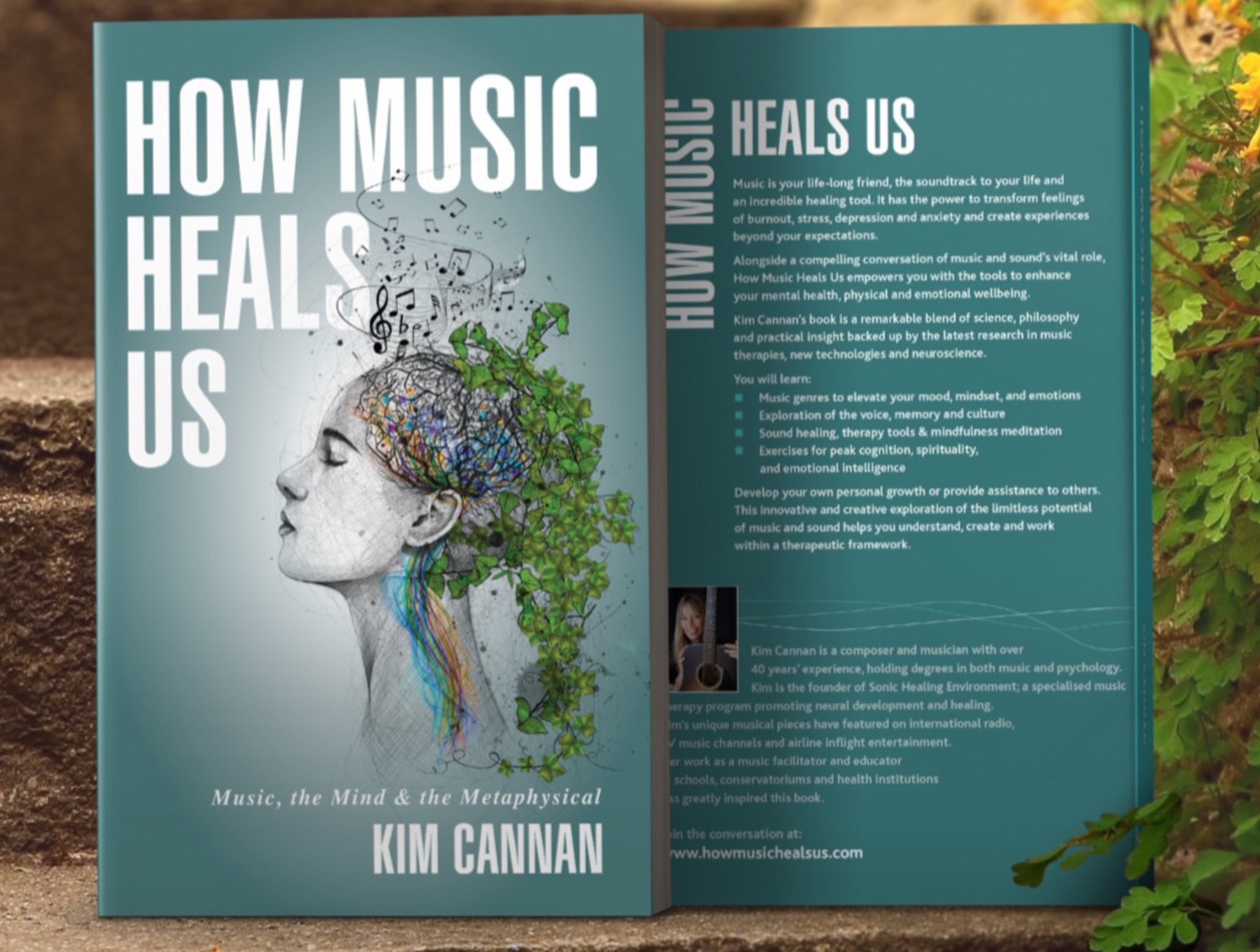
For more information on how music and sound affect brain functioning click on the link below to purchase a copy of my book.


Comments